

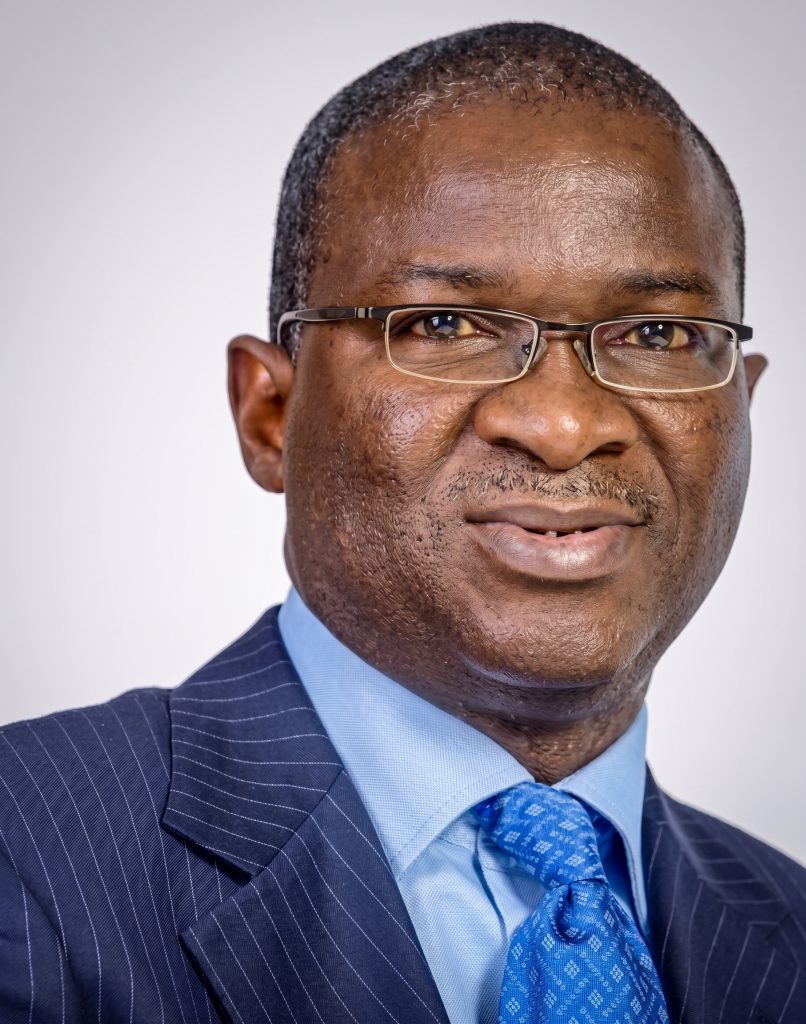
Political Party: Action Congress (AC) / Action Congress of Nigeria (ACN) / All Progressives Congress (APC)
Era: Nigeria’s 4th Republic
Distinction: Widely regarded as the “Actualiser” who aggressively executed the Lagos megacity blueprint and became the face of modern, technocratic governance in Nigeria.
Political Ideology & Vision
- Technocratic Governance: A Senior Advocate of Nigeria (SAN) and former Chief of Staff to Bola Tinubu, Fashola brought a strict, intellectual, and professional approach to governance. He prioritized data, discipline, and efficiency over traditional political patronage.
- The Megacity Transformation: He believed that for Lagos to function as an economic powerhouse, it needed to be heavily modernized, aesthetically pleasing, and highly disciplined.
- Law, Order, and Enforcement: His administration was characterized by a strict adherence to the rule of law. He was not afraid to take unpopular but necessary actions to restore sanity to the city’s chaotic public spaces.
Landmark Achievements
1. Infrastructure & Urban Renewal
- The Transformation of Oshodi: Perhaps his most symbolic urban renewal victory was clearing out the notorious, crime-ridden Oshodi market. He dismantled decades of chaotic commercial activities and hoodlum excesses, turning it into a serene and functional transit hub.
- Lekki-Ikoyi Link Bridge: He constructed and commissioned the iconic 1.35km cable-stayed Lekki-Ikoyi Link Bridge to significantly reduce traffic bottlenecks around Victoria Island and the Lekki corridor.
- City Beautification: Launched an aggressive greening campaign, planting millions of trees, creating parks, and recovering public spaces to restore the environmental health and aesthetic beauty of Lagos.
2. Transportation
- The BRT System: Successfully implemented the Bus Rapid Transit (BRT) Lite System, West Africa’s first dedicated lane transit system, which ferried millions of passengers safely and affordably.
- Rail Initiatives: Actively advanced the construction of the Lagos Light Rail (Blue Line) to integrate suburban rail into the city’s transport masterplan.
3. Security & Public Safety
- Lagos State Security Trust Fund (LSSTF): Recognizing that security was a prerequisite for investment, he established the LSSTF. This public-private partnership heavily equipped the police with patrol vehicles, helicopters, and advanced gear, drastically reducing armed robbery and making Lagos one of the safest states in Nigeria.
- Traffic and Okada Regulation: Took the bold initiative to ban the operation of commercial motorcycles (“Okadas”) on major highways to curb accidents and crime, simultaneously providing skills acquisition programs for displaced riders.
4. Public Health: The Ebola Triumph
- Stopping a Global Crisis: In 2014, when the deadly Ebola virus was imported into Lagos, Fashola personally took charge. He cut short a pilgrimage, established an Emergency Operations Centre, and coordinated a massive tracking and isolation effort (knocking on 26,000 doors) that successfully contained the virus and saved the country from a catastrophic epidemic.
Challenges & Hard Choices
- Litigation and Backlash: His strict enforcement of physical planning laws, tax collection, and the ban on commercial motorcycles on major roads faced stiff resistance and numerous litigations from human rights groups and affected citizens.
- Toll Gates: The introduction of tolling on the Lekki-Epe Expressway expansion and the Lekki-Ikoyi Link Bridge sparked public protests and debates about the financial burden on residents.
- Elitism Accusations: Because of his intense focus on modernizing the city and clearing informal settlements, critics occasionally accused his administration of being too elitist and harsh on the urban poor.
Enduring Legacy: The “Actualiser” Standard
If Tinubu was the architect who designed the blueprint, Fashola was the chief engineer who built the structure. His tenure redefined what Nigerians thought was possible in public office, proving that a chaotic metropolis could be tamed through disciplined, intellectual leadership and strict enforcement of the law. Earning him global recognition, Fashola left office in 2015 leaving behind a highly functional, greener, and significantly safer Lagos.